The Effects of Social Media on Mental Health: Understanding the Impact and How to Stay Balanced
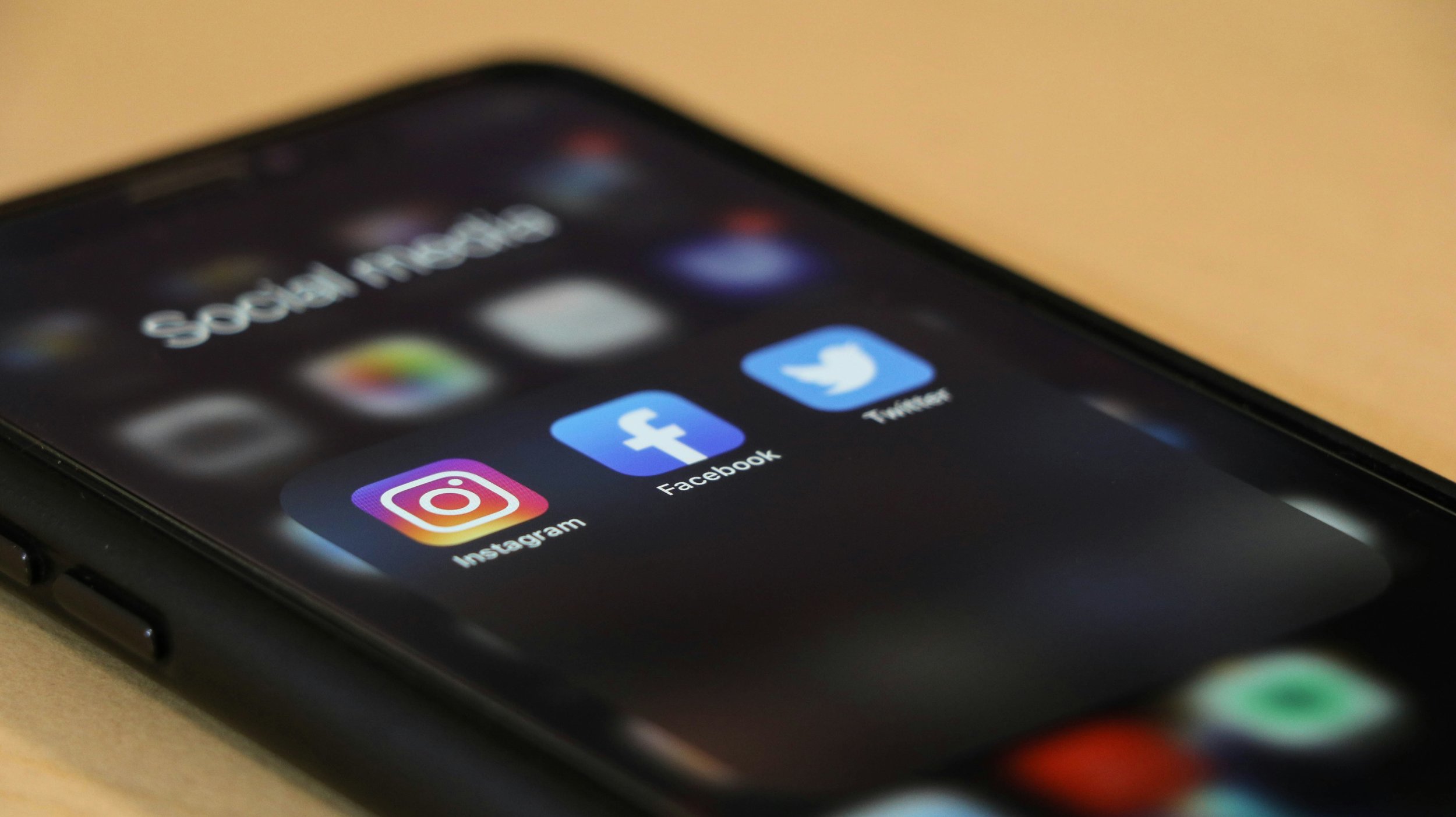
In today's digital age, social media plays a major role in shaping how we interact, stay connected, and consume information. Whether it's scrolling through Instagram, tweeting about our day on Twitter, or posting TikTok videos, social media platforms offer endless opportunities to engage with the world. However, as much as social media can be fun and informative, it's also important to recognize its potential impact on our mental health. From increasing stress levels to contributing to feelings of loneliness, social media’s effects on mental health are complex and multifaceted.
In this post, we’ll explore both the positive and negative effects of social media on mental health and offer practical tips for navigating your online presence in a way that promotes well-being.
Positive Effects of Social Media on Mental Health
Before diving into the challenges, it’s important to acknowledge the benefits that social media can have on mental health. When used intentionally, social platforms can foster a sense of connection, support, and personal growth.
1. Community and Support Networks
For many, social media serves as a platform for building communities, connecting with like-minded individuals, and accessing support. Online communities centered around shared experiences, such as mental health forums or interest-based groups, can provide individuals with a sense of belonging and validation. Research has shown that supportive online interactions can help reduce feelings of isolation and improve emotional well-being.
2. Access to Mental Health Resources
Social media has also become an essential tool for accessing mental health information and resources. From educational posts about anxiety and depression to mental health professionals offering free advice, social platforms allow individuals to learn more about their emotional health and seek guidance when they need it. Many therapists and wellness advocates use social media as a way to raise awareness, break stigmas, and promote mental health care.
3. Creative Expression
Social media can also serve as a creative outlet. Many individuals use platforms like Instagram or YouTube to showcase their talents, from art to music to personal stories. This creative expression can be a powerful way to boost self-esteem, promote self-discovery, and foster a sense of achievement and purpose.
Negative Effects of Social Media on Mental Health
While there are clear benefits, the negative effects of social media on mental health cannot be ignored. The constant exposure to curated content, the pressure to meet social expectations, and the addictive nature of social media can take a toll on our emotional and psychological well-being.
1. Anxiety and Stress
One of the most prominent mental health concerns linked to social media is increased anxiety. The constant bombardment of notifications, updates, and comparisons can create a sense of urgency, leading to feelings of stress. According to a study by the American Psychological Association, heavy social media use is often associated with higher levels of anxiety, particularly for individuals who use platforms as a way to compare their lives to others.
The Comparison Trap: Social media can trigger feelings of inadequacy, especially when users compare their lives to others' highlight reels. This can lead to issues like body image concerns, career envy, and dissatisfaction with one’s life. The more we scroll through perfectly curated photos or see others achieving milestones, the more likely we are to feel like we’re falling short.
2. Loneliness and Isolation
Ironically, social media can make us feel more isolated despite the illusion of connection. Studies show that spending too much time on social platforms can lead to feelings of loneliness, especially when individuals engage in passive browsing rather than active interactions. When we see our friends attending social events or achieving life goals, it can create a sense of “missing out” (FOMO), which fuels feelings of loneliness and alienation.
Studies: Research from the University of Pittsburgh found that higher social media use was associated with increased feelings of social isolation. Users who spent more than two hours a day on social media were more likely to report negative emotional outcomes and lower well-being.
3. Sleep Disruptions
The blue light emitted by phones, tablets, and computers can interfere with our sleep patterns, leading to insomnia and disrupted circadian rhythms. The stimulating nature of social media, whether it's engaging with content or checking notifications, can also keep our minds active long after we’ve put our devices down, making it harder to unwind before bedtime. This sleep disruption can ultimately contribute to mood swings, irritability, and even depression.
Research: A study published in the Journal of Social and Clinical Psychology found that individuals who reduced their social media use to 30 minutes per day reported improved sleep quality and overall well-being.
4. Cyberbullying and Online Harassment
Cyberbullying has become a growing concern, particularly among teens and young adults. The anonymity of the internet allows individuals to engage in harmful behavior without immediate consequences, leading to a rise in online harassment. Being the target of cyberbullying can lead to severe emotional consequences, including anxiety, depression, and suicidal thoughts. For those who experience online harassment, the impact on mental health can be long-lasting and deeply damaging.
How to Manage Your Social Media Use for Better Mental Health
While social media is an inevitable part of modern life, it's essential to use it in a way that promotes mental well-being. Here are some strategies for managing your social media use without sacrificing your mental health:
1. Set Boundaries and Time Limits
One of the simplest ways to reduce the negative impact of social media on mental health is by setting clear boundaries. This could mean limiting the amount of time you spend on social media each day or taking regular breaks from your phone. You can use tools like Screen Time on iPhones or digital wellness features on Android phones to track your usage and set time limits for specific apps.
2. Curate Your Feed
Take control of what you see on social media by curating your feed to reflect positivity and inspiration. Follow accounts that uplift, motivate, and educate you rather than those that contribute to stress or negative comparisons. Muting or unfollowing accounts that trigger feelings of inadequacy or anxiety is a great way to protect your mental health.
3. Engage in Meaningful Interactions
Rather than passively scrolling, make an effort to engage in meaningful conversations with friends and loved ones. Comment, like, and share posts that resonate with you, and don’t be afraid to reach out to someone you care about for support. Social media can be a source of connection if used in an active, intentional way.
4. Practice Digital Detoxes
Give yourself regular “digital detoxes” where you completely unplug from social media for a set period. This could be a few hours a day, an entire weekend, or even a weeklong break. Taking time away from the constant stream of information allows you to recharge and reconnect with the present moment.
5. Be Kind to Yourself
Finally, remember to practice self-compassion. If you find yourself feeling overwhelmed or negatively impacted by social media, it’s okay to take a step back and reassess how you’re using these platforms. Your mental health should always come first.
Conclusion: Social Media and Mental Health – Finding a Healthy Balance
Social media, like everything else, can have both positive and negative effects on our mental health. The key is understanding how it affects you personally and using it mindfully. By setting boundaries, curating your feed, and engaging meaningfully, you can harness the benefits of social media without falling prey to its negative impacts.
If you’re finding that social media use is negatively impacting your mental health, it may be worth exploring further strategies with the help of a mental health professional. Your emotional well-being is worth the investment.
Keywords:
social media and mental health
impact of social media on anxiety
how social media affects mental health
comparison trap on social media
social media and loneliness
managing social media use for mental health
cyberbullying and mental health
digital detox for mental well-being
social media and self-esteem
mental health tips for social media use
