It’s Okay to Cancel Plans - Here’s How to Do It Without Feeling Like a Bad Person
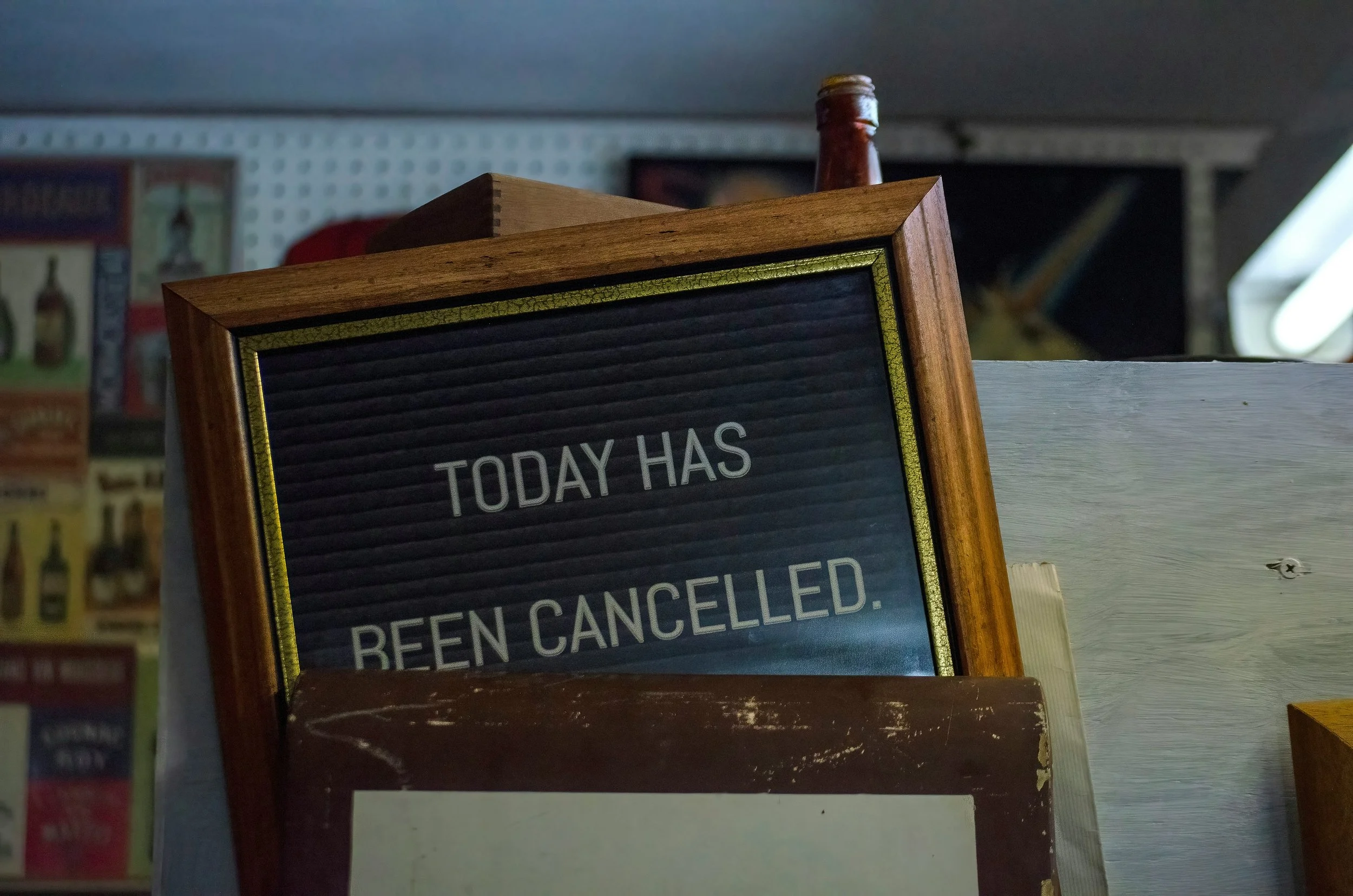
We’ve all been there: You’ve committed to plans, but as the day gets closer, you feel that familiar sinking feeling. You just don’t want to go. Maybe you're tired, maybe you need some “me-time,” or maybe you're just not feeling up for socializing. But then, the guilt kicks in. The fear of letting people down creeps in like an unwelcome guest, and suddenly, you're questioning whether it's okay to cancel plans.
Here’s the truth: It’s okay to cancel plans. In fact, it’s essential for your mental health. But canceling plans without feeling like a bad person is an art, and we're here to help you master it. So, let's dive in and explore how to say no to plans guilt-free, while still keeping your relationships strong.
Why It’s Okay to Cancel Plans
First, let’s get something straight: You are not obligated to do everything just because you said you would. You’re allowed to have boundaries and take care of your well-being, even if it means staying home on a Saturday night in your pajamas, binge-watching Netflix.
In fact, research shows that saying no and protecting your time can actually improve your mental health. According to a study published in Psychology Today, being able to say no helps reduce stress, prevents burnout, and leads to better overall well-being. Your mental health should always come first, and if that means canceling plans, so be it!
How to Cancel Plans Without Feeling Like a Jerk
Now that we’ve established that it’s perfectly okay to cancel plans, let’s talk about how to do it in a way that doesn’t make you feel like a terrible friend, family member, or co-worker. Here’s your ultimate guide to canceling plans without the guilt:
1. Be Honest (But Not Too Honest)
Honesty is the best policy, but don’t feel the need to give a long, detailed explanation. A simple “I’m really sorry, but I’m not feeling up to it today” is perfectly fine. You don’t need to explain your every reason for needing to cancel. If you’re just tired, tell them. If you need time for yourself, say that. But keep it short and to the point. You’re allowed to have personal space without a justification.
2. Be Respectful of Their Time
If you know in advance that you won’t be able to make it, don’t wait until the last minute to cancel. Give your friend a heads-up as soon as possible. If you’re canceling last-minute (because life happens), apologize and acknowledge the inconvenience. For example, “I know this is last-minute, and I’m really sorry for any inconvenience. I hope we can reschedule soon!” A little kindness and understanding go a long way.
3. Don’t Over-Apologize
It's tempting to start piling on the apologies, especially when you feel guilty. But here’s the thing—over-apologizing doesn’t help anyone. It just makes the situation more awkward. A simple “Sorry, I can’t make it today” is enough. The more you apologize, the more you risk reinforcing the idea that your time and energy aren’t valuable. So, keep it simple, keep it sincere, and leave it at that.
4. Offer a Reschedule (If You Want)
If you’re truly interested in seeing them another time, offer a reschedule. Something like “I’d love to get together soon—how about next weekend?” shows that you’re still invested in your relationship, even though you can’t make it this time. This will help ease any concerns that they feel rejected or unimportant.
5. Practice Self-Compassion
It’s easy to be hard on yourself when you cancel plans, but self-compassion is key. Remind yourself that it’s okay to take care of your mental and emotional health. You’re not a bad person for needing rest or time alone. You’re a human being with limits, and respecting those limits is part of being kind to yourself.
When You Shouldn’t Feel Guilty About Cancelling Plans
Here are a few scenarios where it’s totally okay to cancel plans without feeling guilty:
You’re Overwhelmed or Stressed: If your emotional tank is running on empty and you need some space to recharge, canceling plans is a form of self-care. Self-care is not selfish—it’s necessary for mental wellness.
You’re Feeling Physically Unwell: If you’re under the weather, stay home and take care of yourself. Your friends will appreciate that you’re not bringing your germs to the party.
You Simply Need Some Alone Time: Introverts, we see you. Sometimes, the thought of spending hours in a social setting just feels draining. Taking a break for yourself is totally valid.
You Have Other Priorities: Life happens, and sometimes other things come up that are more pressing or important. It’s okay to acknowledge that other commitments take precedence.
How to Avoid the Guilt Trip
The guilt trip is real, especially when you’re someone who has a hard time saying no. But remember: just because someone expresses disappointment doesn’t mean you’re a bad person. Here’s how to manage it:
Don’t Take It Personally: If someone is upset that you canceled, it’s not a reflection of your worth. They may be disappointed, but it’s okay. You’ve done what’s best for your well-being, and that’s what matters.
Stay Firm in Your Decision: If you’ve made the decision to cancel, stick to it. If you waver or start justifying yourself too much, you might inadvertently reinforce feelings of guilt. Stay polite and firm: “I’m really sorry, I just can’t make it this time. Let’s reschedule soon!”
Remember Your Limits: You don’t have to say yes to every plan that comes your way. Honor your limits, and know that you’re not letting anyone down by taking care of yourself.
Final Thoughts: You Don’t Have to Be Everywhere to Be a Good Friend
At the end of the day, canceling plans isn’t about letting people down, it’s about respecting your boundaries and prioritizing your mental health. You don’t have to be “on” all the time to be a good person, a good friend, or a good family member. Saying no doesn’t make you selfish or inconsiderate; it makes you human.
So the next time you’re tempted to cancel plans, remember: It’s okay to say no. You deserve to put yourself first without the guilt trip. Whether you’re canceling because you need a nap, a Netflix binge, or some solitude, don’t be afraid to honor what your mind and body need. And remember, your friends will understand - because they, too, need a little break from time to time.
Keywords:
How to cancel plans without feeling guilty
Saying no without feeling bad
Mental health and canceling plans
How to practice self-care and say no
Boundaries and canceling social plans
Overcoming the guilt of saying no
Self-compassion when canceling plans
How to deal with social obligations
Taking care of your mental health
How to say no politely to plans
