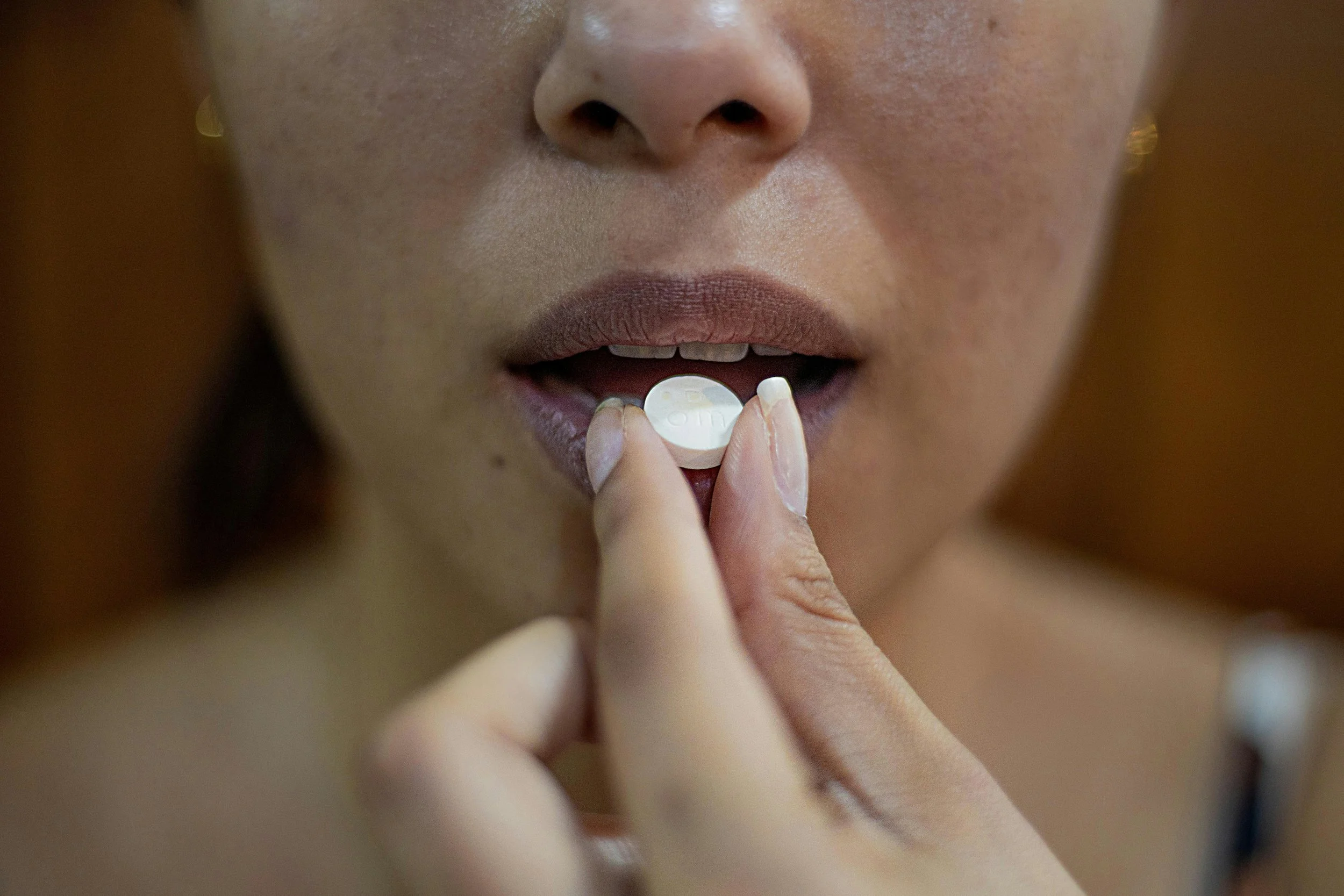
We all have ways of getting through hard moments—grabbing a drink to unwind, scrolling to distract, zoning out in a binge-watch session, or leaning on food for comfort. These habits aren’t inherently “bad.” In fact, they often start out as survival strategies.
But over time, you might begin to wonder:
Am I self-soothing… or escaping?
Am I coping… or avoiding what I really need to feel?
Am I managing my stress… or numbing out completely?
At Jasper Counseling & Wellness, we hear these questions often- and we want you to know: it’s okay to ask them. In fact, it’s a sign of self-awareness and strength, not failure or flaw.
Let’s explore the difference between self-medicating and escaping, and how therapy can help you find more sustainable ways to care for yourself- without shame.
First, Let’s Talk About the Why
Before we get into behavior, it’s important to say this:
We don’t develop coping mechanisms for no reason.
Whether it's substances, food, sex, work, shopping, or screen time- these behaviors often emerge to soothe pain, regulate overwhelming emotions, or create distance from something that feels too much. They may have helped you survive a hard time. They may still be helping… just with some side effects.
This is where the line between self-medicating and escaping can get blurry.
What Is Self-Medicating?
Self-medicating is using a substance or behavior to manage emotional or physical pain- especially when there’s an underlying mental health concern (like depression, anxiety, or trauma) that hasn’t been addressed.
Examples might include:
Drinking to calm social anxiety
Using marijuana to “shut off” racing thoughts
Overeating to soothe loneliness or grief
Excessive gaming to escape feelings of failure or shame
Relying on stimulants to manage burnout or overwhelm
In the short term, these choices may work. But over time, they can mask what’s really going on, making healing harder- and leaving you feeling more disconnected from yourself and others.
What Is Escaping?
Escaping is a broader pattern of avoiding difficult thoughts, emotions, or experiences- whether consciously or unconsciously. It often shows up as chronic distraction, disconnection, or disassociation from your inner world.
Some signs you might be escaping:
You feel emotionally “numb” or checked out
You often avoid silence or stillness
You rely heavily on routines or substances to get through the day
You feel panic or shame when trying to sit with your feelings
You notice that avoidance leads to more distress in the long run
Where self-medicating is about soothing, escaping is more about avoiding. Both are understandable. And both are signals from your nervous system that something underneath needs care.
Questions to Ask Yourself
If you’re trying to figure out whether you're self-medicating or escaping, these reflection questions might help:
Am I using this to get through something difficult, or to avoid something altogether?
Do I feel more regulated after, or more disconnected?
Is this helping me move toward healing, or keeping me stuck?
Can I stop or take a break without extreme distress?
What emotion am I trying not to feel right now?
You don’t need perfect answers. Just asking the questions can open space for insight and growth.
How Therapy Can Help
At Jasper Counseling & Wellness, we help people gently explore the why behind their behaviors- without judgment, shame, or pressure to change overnight.
In therapy, you can:
Understand the roots of your coping strategies
Develop tools for emotional regulation and stress relief
Build a relationship with your feelings, rather than fighting them
Learn how to stay present with discomfort in safe, supported ways
Heal underlying wounds that drive escape or self-medication
Our approach is relational, trauma-informed, and compassionate. We believe the goal isn’t to “fix” you- it’s to help you feel safe enough to meet yourself honestly and kindly.
Self-Compassion Is a Better Motivator Than Shame
If you recognize yourself in any of this, here’s the most important thing to remember:
There’s nothing wrong with you. Your brain and body have been doing their best to help you feel better. The fact that you’re questioning your patterns means you're already taking a powerful step.
Healing isn’t about white-knuckling your way through pain- it’s about learning how to care for yourself in ways that actually meet your needs, instead of just masking them.
🌿 If you’re ready to explore what’s behind your coping habits- and discover healthier ways to manage life’s pain points- we’re here for you. Reach out to schedule with one of our therapists today.
