
How Attachment Styles Impact Parenting and Family Life
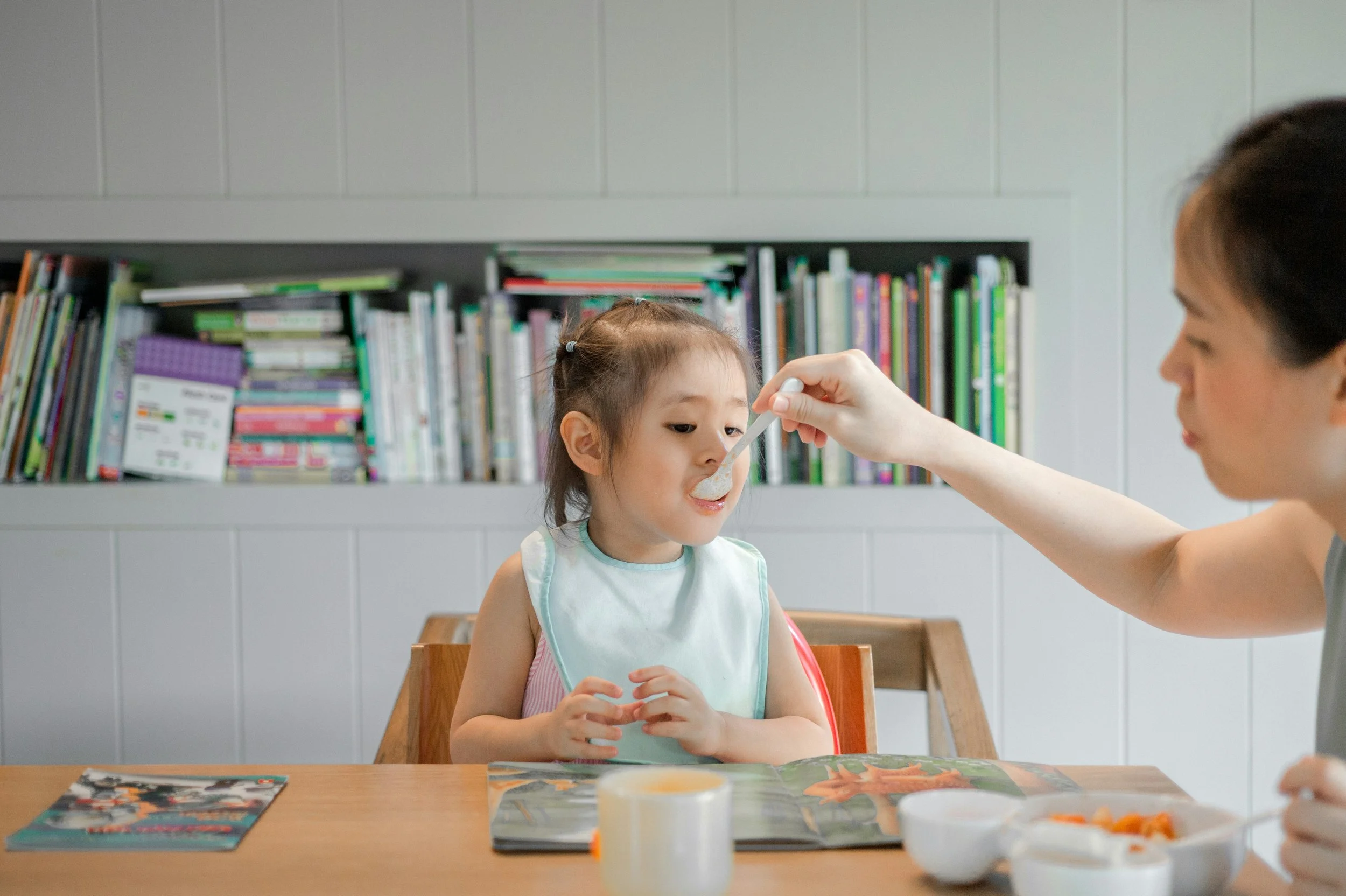
When it comes to relationships, especially within the family, the way we connect with others is deeply influenced by our early experiences. As parents, our attachment style can significantly impact how we interact with our children, shape their emotional development, and create the environment in which they grow up. But what exactly is an attachment style, and how does it affect parenting and family dynamics?
In this blog post, we’ll explore the four primary attachment styles, how they influence our parenting behavior, and how understanding them can help create stronger, healthier relationships within the family. Let’s dive into how our emotional bonds with our parents early in life shape how we connect with others—and how this knowledge can improve our family life.
What Are Attachment Styles?
Attachment theory, first developed by John Bowlby in the 1950s, suggests that the bonds we form with our primary caregivers in early childhood lay the foundation for how we approach relationships throughout our lives. Essentially, these early experiences teach us how to trust others, how to respond to emotional needs, and how we perceive ourselves in relationships.
There are four primary attachment styles that people tend to fall into, each influencing the way they relate to their children and partners:
Secure Attachment
Anxious-Preoccupied Attachment
Dismissive-Avoidant Attachment
Fearful-Avoidant Attachment
Understanding these attachment styles can help us recognize patterns in our own behavior and relationships, and in turn, become more aware of how we interact with our families.
1. Secure Attachment Style: The Foundation of Healthy Relationships
What it looks like: People with a secure attachment style tend to have a healthy, balanced approach to relationships. They feel comfortable depending on others and being depended upon. They are typically able to handle emotional ups and downs without becoming overwhelmed or distant. They also tend to have positive self-esteem and a healthy view of others.
How it impacts parenting: Securely attached parents are more likely to be emotionally available, nurturing, and responsive to their children’s needs. They provide consistent care and are adept at managing their emotions. Children with securely attached parents are more likely to grow up with high self-esteem, a strong sense of security, and healthy relationships with others.
What it means for family life: When both partners in a relationship have a secure attachment, family dynamics tend to be more stable and harmonious. Secure parents create a supportive environment where their children feel safe, loved, and valued. This fosters open communication, emotional regulation, and a positive family atmosphere.
2. Anxious-Preoccupied Attachment Style: The Need for Reassurance
What it looks like: People with an anxious-preoccupied attachment style often feel insecure in relationships. They tend to seek constant reassurance and approval from others. They may worry about being abandoned or rejected and can become overly dependent on others for emotional support. Their self-worth may be closely tied to the approval of their loved ones.
How it impacts parenting: Anxiously attached parents might become over-involved or overly protective of their children, driven by a deep fear of abandonment or failure. They may struggle with emotional regulation and find themselves frequently seeking validation from their children or partner. Children of anxious parents may experience confusion about boundaries or develop feelings of anxiety themselves.
What it means for family life: Anxious-avoidant dynamics can lead to tension within the family, as the anxious parent’s need for reassurance may cause strain in their relationship with their partner. Children may grow up feeling insecure or overly dependent on others for emotional support. Setting healthy boundaries and learning how to regulate emotions can be key for parents with this attachment style to foster a more balanced family life.
3. Dismissive-Avoidant Attachment Style: Emotional Distance and Independence
What it looks like: Those with a dismissive-avoidant attachment style tend to value independence and self-sufficiency, often to the point of emotional detachment. They may have difficulty expressing their feelings, and they often avoid closeness or vulnerability in relationships. This style is often rooted in the belief that emotions are a sign of weakness.
How it impacts parenting: Dismissive-avoidant parents may struggle to connect emotionally with their children. They might avoid difficult emotions or try to suppress their own needs, resulting in a lack of emotional intimacy with their kids. These parents may also have difficulty offering comfort or affection when their children are upset.
What it means for family life: The emotional distance that dismissive-avoidant parents bring into the family dynamic can create challenges in bonding with their children and partner. Children may grow up feeling emotionally neglected or unsure about how to express or handle their own feelings. It’s important for dismissive-avoidant parents to actively work on becoming more emotionally available and responsive to foster a more secure and nurturing family environment.
4. Fearful-Avoidant Attachment Style: The Push and Pull of Fear
What it looks like: People with a fearful-avoidant attachment style (also known as disorganized attachment) often experience a confusing mix of wanting closeness and avoiding it. They may have a deep fear of rejection or betrayal and are unsure how to trust others. Their relationships may feel chaotic or inconsistent, as they struggle with conflicting desires for intimacy and emotional withdrawal.
How it impacts parenting: Fearful-avoidant parents often experience intense emotional turmoil. They may want to be close to their children, but their fear of being hurt or rejected can make them emotionally unpredictable. This inconsistency can confuse children and hinder the formation of a secure bond. These parents might also struggle to regulate their emotions or set consistent boundaries.
What it means for family life: Fearful-avoidant attachment in the family often results in instability, as the parent’s emotional responses can be erratic. Children of fearful-avoidant parents may feel neglected or unsure of how to navigate emotional relationships. For these parents, therapy or professional guidance can be crucial in healing from past trauma and learning how to develop a healthier, more secure relationship with their children.
How Understanding Your Attachment Style Can Improve Parenting
Recognizing your own attachment style can be a powerful tool for personal growth and enhancing family dynamics. By gaining insight into your emotional responses, behaviors, and fears, you can begin to make positive changes in how you parent and interact with your family. Here’s how you can apply this understanding:
Self-awareness and Reflection: Identify your attachment style by reflecting on your relationships, particularly those with your parents or primary caregivers. If you notice patterns of insecurity, emotional distance, or difficulty with closeness, this awareness can be a first step in making meaningful changes.
Seeking Support: If you find that your attachment style is affecting your ability to connect with your children or partner, therapy can be incredibly helpful. Attachment-based therapy and other forms of counseling can help you work through emotional wounds, break negative patterns, and develop healthier ways to relate to your loved ones.
Practicing Emotional Regulation: For parents with anxious or avoidant attachment styles, learning emotional regulation skills is key. This can involve mindfulness practices, self-soothing techniques, or seeking external support when needed. Teaching these skills to your children can foster resilience and emotional intelligence.
Final Thoughts: Building Stronger, Healthier Family Bonds
Our attachment styles shape how we interact with those closest to us, especially within the family. Understanding the influence of attachment styles on parenting can provide valuable insight into how we nurture our relationships and create emotional bonds with our children.
Whether you have a secure, anxious, dismissive, or fearful attachment style, it’s never too late to make positive changes. With awareness, support, and effort, you can build healthier, more emotionally fulfilling family dynamics that foster growth, trust, and emotional well-being for everyone involved.
Keywords:
Attachment styles and parenting
How attachment affects family life
Emotional impact of attachment on children
Parenting and attachment theory
Secure attachment in families
Anxious attachment and parenting
Dismissive-avoidant attachment style
Fearful-avoidant attachment and family dynamics
Improving family relationships with attachment awareness
Attachment-based therapy for parenting
